Pu-erh Tea
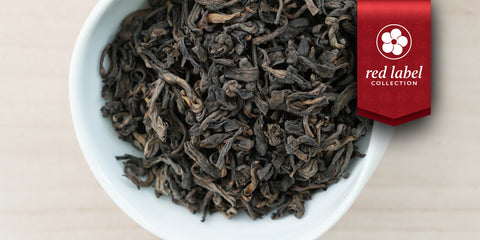
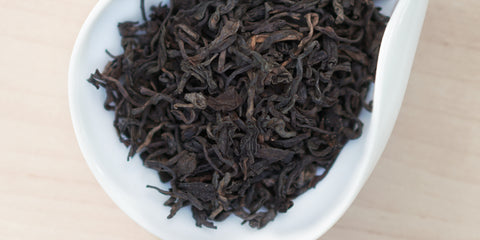
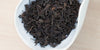
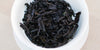
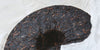
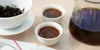
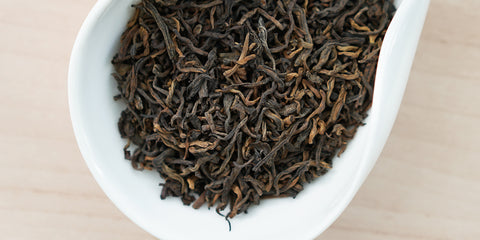
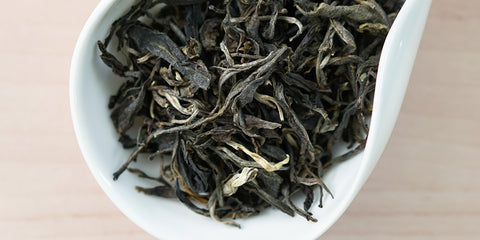
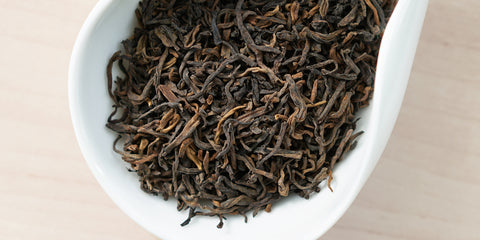
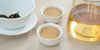
Pu-erh teas are fermented and aged, meaning they only get better with age, improving in flavor and thus increasing in value. Rich, earthy, and always smooth, pu-erhs are one of the most complex tea categories.
-

Pinnacle Collection
$168.00
$168.00
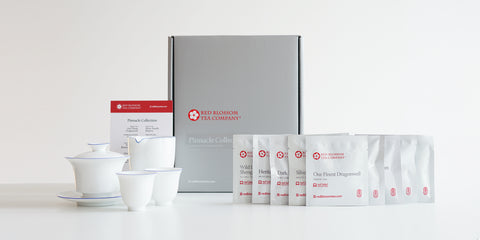
The Pinnacle Collection captures the essence of Red Blossom Tea Company, offering a sample of each of our finest Red Label teas, plus a complete set of porcelain teaware for the ultimate brewing experience. Included in the Pinnacle Collection are nine single serving samples of our Red Label teas, plus our Spring Gaiwan, Ming Server, and a pair of Ming Tasting Cups for a complete gongfu-style tea set. Each Red Label Tea highlights a different regional crafting style and flavor profile,... →
-
 Sold out
Essential Collection
Sold out
$65.00
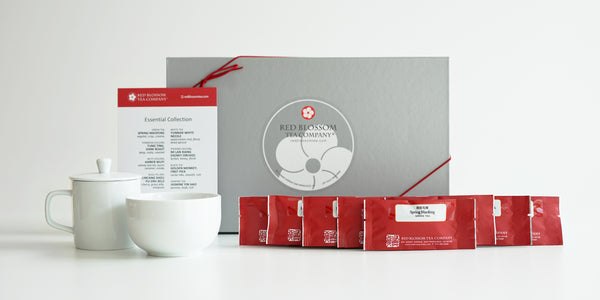
Designed as our introductory tea sampler, the Essential Collection has everything you need to start enjoying premium teas today. Discover a vast range of natural flavor with eight artisanal teas from China and Taiwan, together representing the full spectrum of traditional tea craftsmanship. The selection includes (one 2g serving each — Total N.W. 16g): Spring Maofeng - a crisp and refreshing green tea from Fujian Province Yunnan White Needle - a high grade white tea from Fengqing County, Yunnan Tung Ting, Dark... →
-
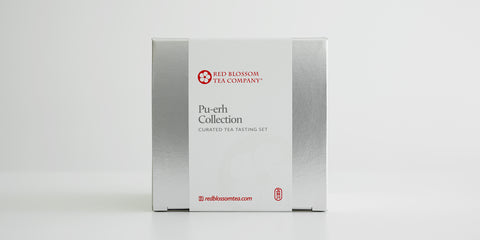
Pu-erh Collection
$60.00
$60.00
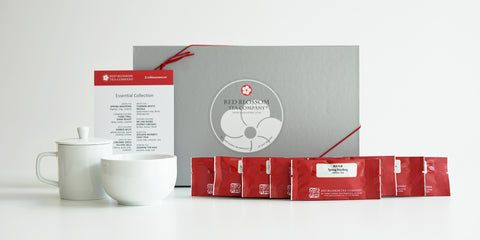
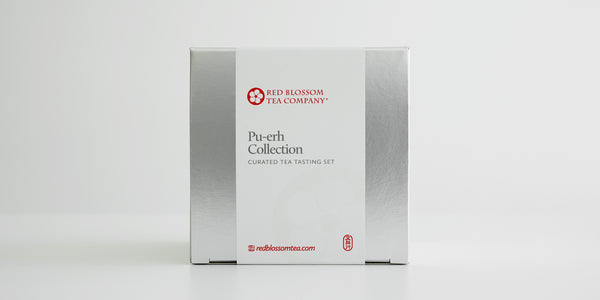
The Pu-erh Collection is a specially curated tasting set representing our range of pu-erh tea styles, from rich and earthy to delicate and floral. Included in the Pu-erh Collection are four 1-ounce bags of tea, each representing different crafting styles and terroir. Also included is an informational card listing the varietals, regions, and tasting notes, along with an educational video to watch as you brew! The collection is packaged in our iconic silver gift box with a red bow.... →
-
$12.00
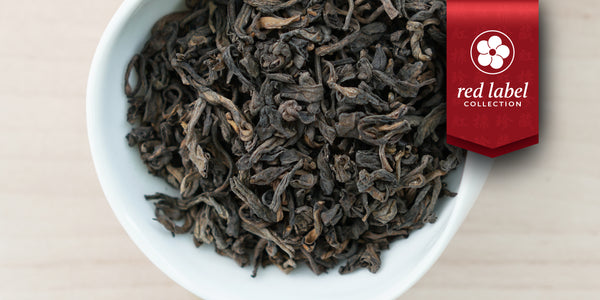
漢字 〇三年勐海野生普洱生茶
origin Menghai, Yunnan
craft aged sheng (aged, non-fermented)
flavor notes earthy, camphor, crisp
漢字 〇三年勐海野生普洱生茶
origin Menghai, Yunnan
craft aged sheng (non-fermented, aged)
flavor notes earthy, camphor, crisp
Our 2003 Wild Leaf comes from the ancient tea trees that have grown for hundreds of years on the mountainous slopes of southern China’s Yunnan province in Menghai County. Harvested and crafted by the aboriginal people of Yunnan, the tea is a “sheng” or raw pu-erh – aged naturally –... →
-
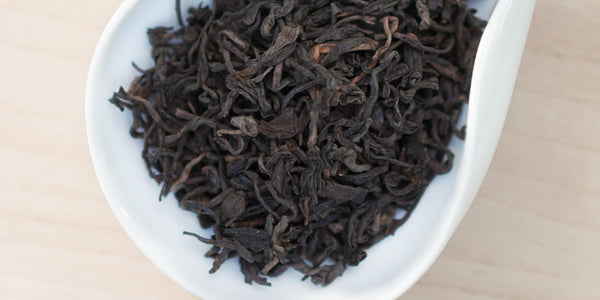
Lincang Shou Pu-erh 2012
$38.00
$6.00
漢字 一二年臨滄普洱熟茶
origin Lincang, Yunnan
craft shou (fermented)
flavor notes bing cherry, grass jelly, molasses
漢字 一二年臨滄普洱熟茶
origin Lincang, Yunnan
craft shou (fermented)
flavor notes bing cherry, grass jelly, molasses
In the mid-1980s, at Red Blossom's inception, we imported a rich shou pu-erh that we simply called "Grand Pu-erh." It was the tea upon which we weaned our first wave of pu-erh connoisseurs, who loved its rich flavor and balanced profile. Over time, our Grand Pu-erh developed a passionate following, and with its popularity we... →
-
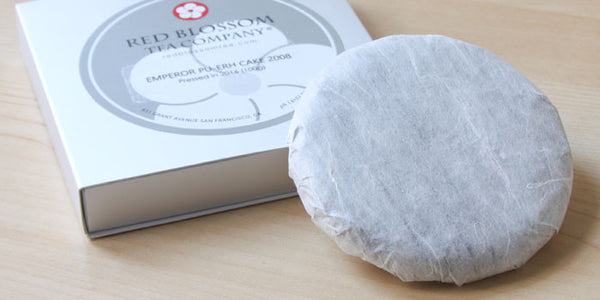
$56.00
漢字 〇八年勐海宮廷熟普洱餅茶
origin Menghai, Yunnan
craft shou (fermented) & pressed
flavor notes earthy, chocolate mint, malty
漢字 〇八年勐海宮廷熟普洱餅茶
origin Menghai, Yunnan
craft shou (fermented) & pressed
flavor notes earthy, chocolate mint, malty
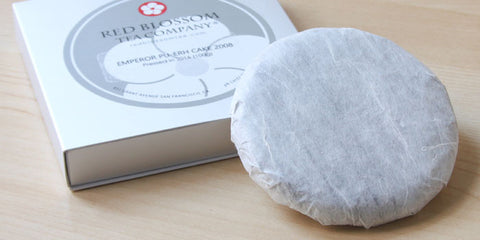
Our Emperor Pu-erh Cake is comprised of small hand-picked young leaves and buds, gathered in Spring of 2008 from Menghai County in Xishuangbanna, the lush tea growing region of Yunnan, China. It’s a region rich in history and in the unique environmental factors ideal for cultivating good quality pu-erh. Crafted... →
-
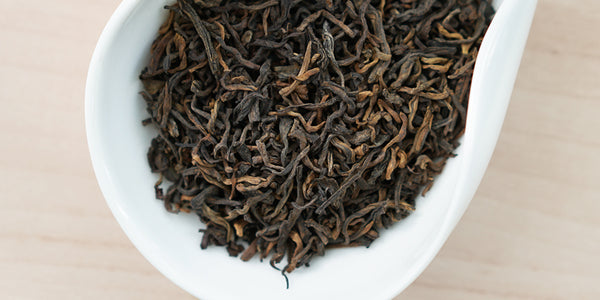
Emperor Shou Pu-erh 2008
$28.00
$6.00
漢字 〇八年勐海宮廷普洱熟茶
origin Menghai, Yunnan
craft shou (fermented)
flavor notes earthy, chocolate mint, malty
漢字 〇八年勐海宮廷普洱熟茶
origin Menghai, Yunnan
craft shou (fermented)
flavor notes earthy, chocolate mint, malty
This Emperor Pu-erh is comprised of small hand-picked young leaves and buds, gathered in Spring of 2008 from Menghai County in Xishuangbanna, the lush tea growing region of Yunnan, China. It’s a region rich in history and in the unique environmental factors ideal for cultivating good quality pu-erh. Picked tea... →
-
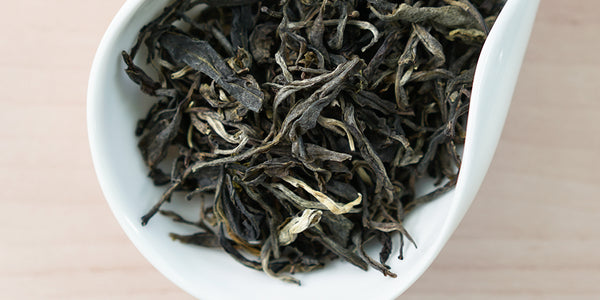
Jingmai Raw Pu-erh
$25.00
$6.00
漢字 景邁普洱毛茶
origin Jingmai, Yunnan
craft maocha (raw, non-fermented, non-aged)
flavor notes sugarcane, dried apricots, floral
漢字 景邁普洱毛茶
origin Jingmai, Yunnan
craft maocha (un-aged, raw)
flavor notes sugarcane, dried apricots, floral
A 2019 spring harvest of maocha (unaged "raw" pu-erh) from an organic farm in southern Yunnan Province. Harvested at over 1400 meters above sea level, from trees that are between 30-40 years old, this raw pu-erh lacks the bitterness we often expect from this style. Instead, our Jingmai Raw Pu-erh offers a bright,... →
-
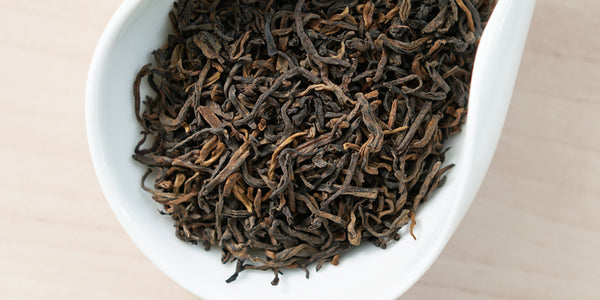
Imperial Shou Pu-erh 2012
$14.00
$3.00
漢字 一二年勐海宮廷普洱熟茶
origin Yunnan
craft shou (fermented)
flavor notes earthy, wood, walnut skin
漢字 一二年勐海宮廷普洱熟茶
origin Yunnan
craft shou (fermented)
flavor notes earthy, wood, walnut skin
Imperial grade pu-erh teas like this one were first crafted as tributary teas for the Chinese emperor. Only young leaves were thought worthy for these imperial gifts. Crafted in Menghai County of Yunnan, this relatively young pu-erh has already developed a bold, rich body - a sign of potential for future aging.... →
-
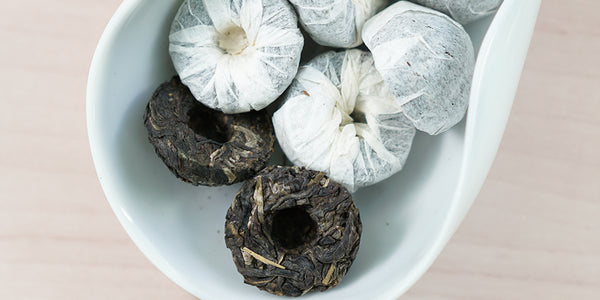
Jasmine Tuocha
$14.00
$6.00
漢字 茉莉花生普洱沱茶
origin Yunnan Province, China
craft scented & pressed
flavor notes jasmine, herbaceous, bold
漢字 茉莉花生普洱沱茶
origin Yunnan Province, China
craft scented & pressed
flavor notes jasmine, herbaceous, bold
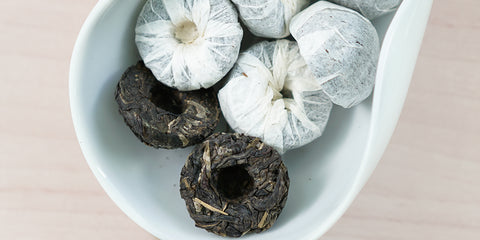
A classic everyday tea with a unique twist, this Pu-erh tuocha has been scented with jasmine for a floral and brisk brew. Each paper-wrapped pellet (or tuo in Chinese) is a single serving of tea; simply unwrap*, toss in a pot, and add hot water. Single serving tuocha are traditionally a... →