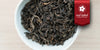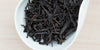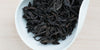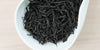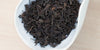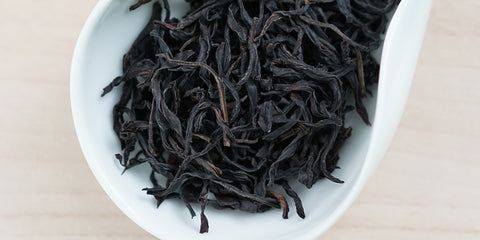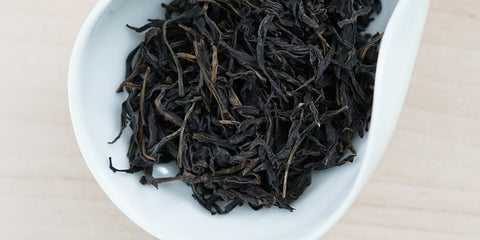
Phoenix Oolong Tea
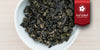
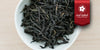
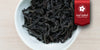
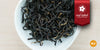
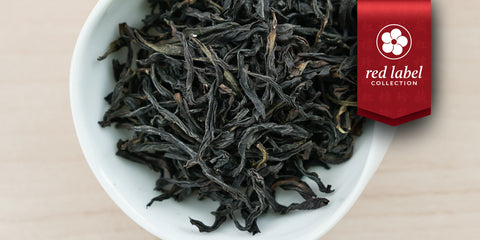
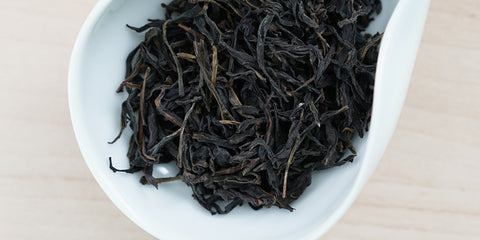
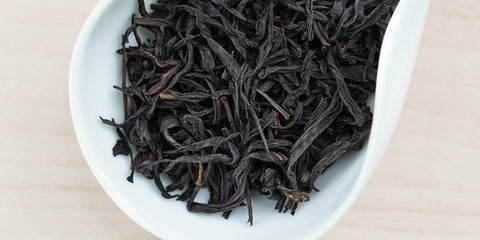
Phoenix Mountain in northern Guangdong Province produces a unique type of oolong harvested from single groves cultivated to emulate specific fruit and flower fragrances. This crafting style results in some of the most captivating and complex flavors in the tea world.
-

Pinnacle Collection
$168.00
$168.00
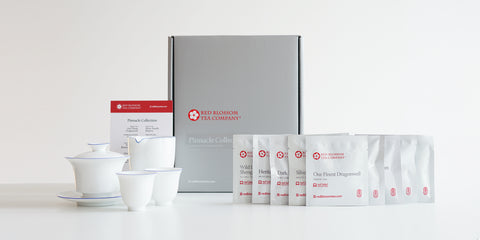
The Pinnacle Collection captures the essence of Red Blossom Tea Company, offering a sample of each of our finest Red Label teas, plus a complete set of porcelain teaware for the ultimate brewing experience. Included in the Pinnacle Collection are nine single serving samples of our Red Label teas, plus our Spring Gaiwan, Ming Server, and a pair of Ming Tasting Cups for a complete gongfu-style tea set. Each Red Label Tea highlights a different regional crafting style and flavor profile,... →
-
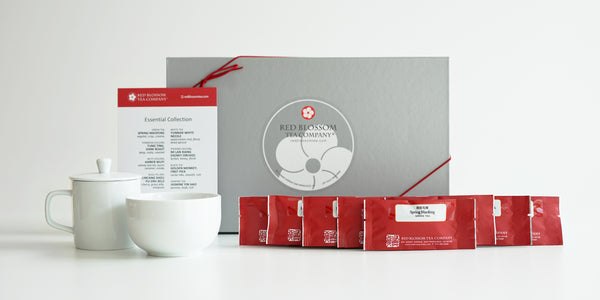
Essential Collection
$65.00
$65.00
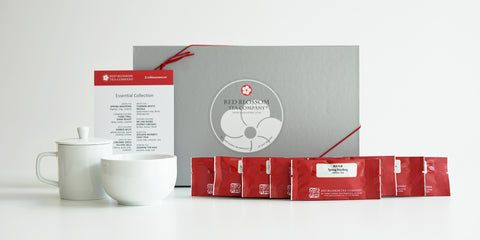
Designed as our introductory tea sampler, the Essential Collection has everything you need to start enjoying premium teas today. Discover a vast range of natural flavor with eight artisanal teas from China and Taiwan, together representing the full spectrum of traditional tea craftsmanship. The selection includes (one 2g serving each — Total N.W. 16g): Spring Maofeng - a crisp and refreshing green tea from Fujian Province Yunnan White Needle - a high grade white tea from Fengqing County, Yunnan Tung Ting, Dark... →
-
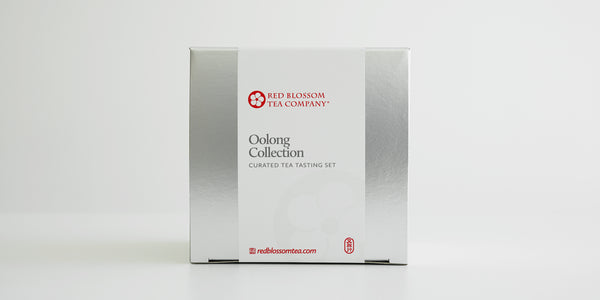
Oolong Collection
$60.00
$60.00
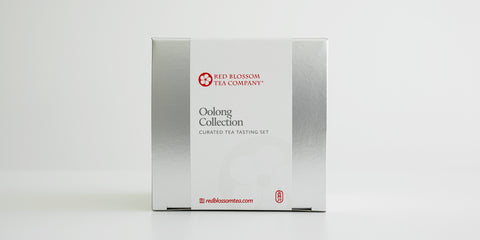
The Oolong Collection is a specially curated tasting set designed to showcase the diversity of the oolong category. With one tea from each of the four oolong-producing regions, this collection offers a comprehensive overview of oolong tea to please new and experienced tea drinkers alike. Included in the Oolong Collection are four 1-ounce bags of tea, each representing different regional crafting styles and flavor profiles. Also included is an informational card listing the varietals, regions,... →
-

Persimmon Blossom (Ya Sai)
$72.00
$12.00
漢字 柿花香(鴨屎香)鳳凰單叢
origin Wudong, Guangdong
craft nong xiang
flavor notes asian pear, honey, orchard fruit
漢字 柿花香(鴨屎香)鳳凰單叢
origin Wudong, Guangdong
craft nong xiang
flavor notes asian pear, honey, orchard fruit
The Phoenix Mountain range historically has been isolated from the rest of Guangzhou due to its remote location and harsh terrain, resulting in the development of distinctly unique tea varieties and traditions. In particular, this persimmon blossom tea was so rare and so desirable that farmers took to calling it... →
-
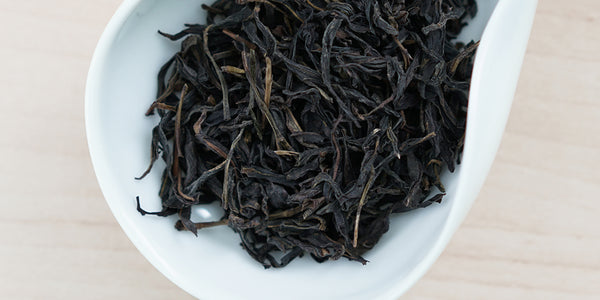
Ao Fu Hou
$68.00
$6.00
漢字 凹富後鳳凰單叢
origin Danhu, Guangdong
craft nong xiang
flavor notes apricot, honey, cinnamon
漢字 凹富後鳳凰單叢
origin Danhu, Guangdong
craft nong xiang
flavor notes apricot, honey, cinnamon
Cultivated outside the village of Danhu (just down the mountain from famed Wudong, the source of our other Phoenix oolongs), Ao Fu Hou is a rare and lesser-known dancong variety with a truly exceptional taste. Its humble name, a transliteration to Mandarin from the local dialect for 凹堀後 or 塌堀後, roughly translates to "behind the dip" or... →
-

Song Zhong
$54.00
$6.00
漢字 宋種鳳凰單叢
origin Wudong, Guangdong
craft nong xiang
flavor notes peach, floral, brown sugar
漢字 宋種鳳凰單叢
origin Wudong, Guangdong
craft nong xiang
flavor notes peach, floral, brown sugar
Song Zhong traces its origins back to the waning days of the Southern Song Dynasty. Locals on Phoenix Mountain tell of the last Song Emperor's flight from the invading Mongols. Tired and thirsty, the emperor was restored with tea brewed from the leaves of a Phoenix Mountain oolong. Today, Song... →
-
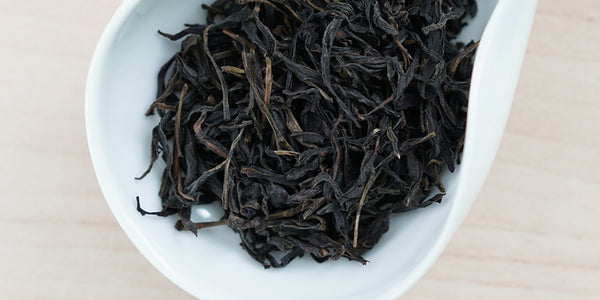
Xing Ren Xiang (Almond)
$38.00
$6.00
漢字 杏仁香鳳凰單叢
origin Wudong, Guangdong
craft nong xiang
flavor notes almond, aromatic, smooth
漢字 杏仁香鳳凰單叢
origin Wudong, Guangdong
craft nong xiang
flavor notes almond, aromatic, smooth
“Xin Ren Xiang” is often translated as "Almond Fragrance," though the aromatic character of the tea is quite floral, more akin to almond blossoms. As with our entire selection of Phoenix oolongs, Xin Ren Xiang was harvested from a 950+ meter grove on Wudong Mountain. This renowned cultivar is an authentic... →
-
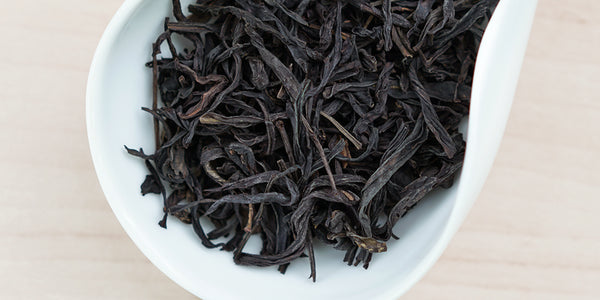
Mi Lan Xiang (Honey Orchid)
$31.00
$6.00
漢字 蜜蘭香鳳凰單叢
origin Wudong, Guangdong
craft nong xiang
flavor notes lychee, honey, floral
漢字 蜜蘭香鳳凰單叢
origin Wudong, Guangdong
craft nong xiang
flavor notes lychee, honey, floral
Mi Lan Xiang is our most popular Phoenix Oolong. We usually see raised eyebrows from those trying this tea for the first time, shocked by the captivating natural fruitiness of this style. Descended from a long line of Phoenix Shui Xian tea trees, Mi Lan Xiang means "Honey Orchid Fragrance."... →
-
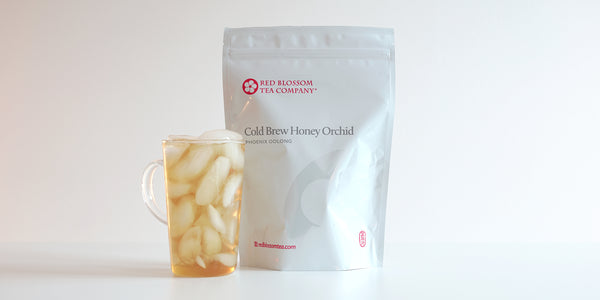
Cold Brew Honey Orchid
$55.00
$6.00
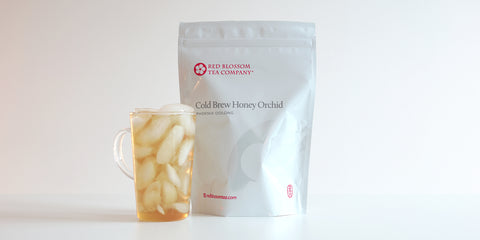
It's easy to see why Cold Brew Honey Orchid is our most popular iced tea. Grown in the Phoenix Mountains, this premium oolong makes a breathtakingly bright, tropical, and fruity cold brew, all without any added flavorings. The result is wonderfully refreshing, offering notes of lychee and honey with a crisp, floral finish. Each pack includes 10 cold brew sachets (10g/ea.) of Honey Orchid, enough to brew 20 quarts of iced tea. The "Sample (1 Serving)" size includes a single, pre-packed 10g sachet, enough to make a single... →