

Teapots
The quintessential tea brewing vessel, teapots come in all shapes and sizes depending on your brewing method. Traditional Chinese teapots are much smaller than Western teapots to encourage multiple short infusions so your leaves never over-brew.
-

Blossom Glass Teapot
$48.00
$16.00
A charming glass teapot of heat-resistant, food grade borosilicate glass. A larger size provides plenty of room for blossoming teas to expand. Also comes with a glass infuser to showcase your favorite loose leaf tea. The infuser's fine slits allow the tea to steep while keeping... →
-

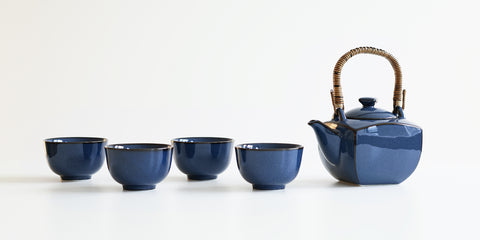
Cerulean Tea Set
$82.00
$82.00
Enrobed in Japan's stunning namako-style glaze and finished with a hand wrapped bamboo handle, this beautiful set is the perfect statement piece for your tea table and an impressive way... →
-
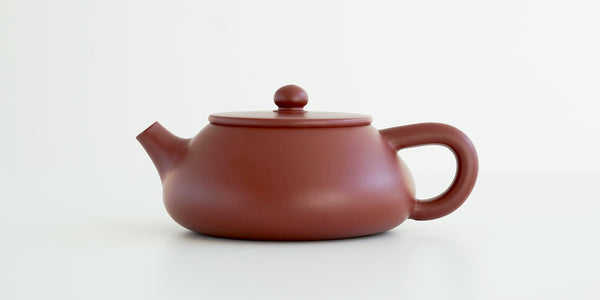
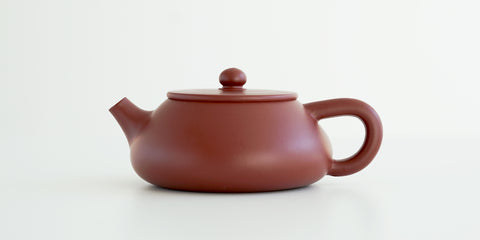
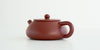
Reserve Yixing, Style 810
$680.00
$680.00
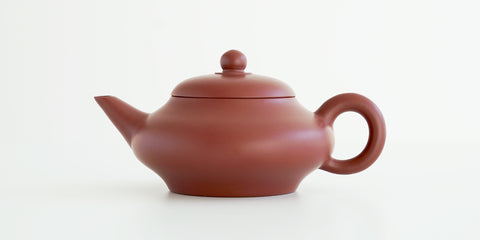
An exquisitely crafted shipiao ("stone ladle") teapot, rendered in revered zhuni (vermillion clay).
Our Yixing teapots are half-handmade. A manual mold is used to assist the artisan in forming the body and lid of the vessel, while the spout, handle, and knob are formed freehand; the final teapot is assembled... →
-
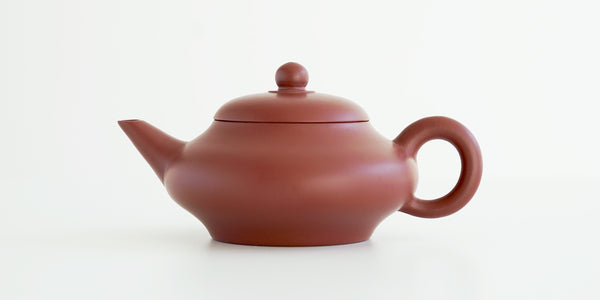
Reserve Yixing, Style 811
$680.00
$680.00
An exquisitely crafted xubian-style teapot, rendered in revered zhuni (vermillion clay).
Our Yixing teapots are half-handmade. A manual mold is used to assist the artisan in forming the body and lid of the vessel, while the spout, handle, and knob are formed freehand; the final teapot is assembled and finished... →
-
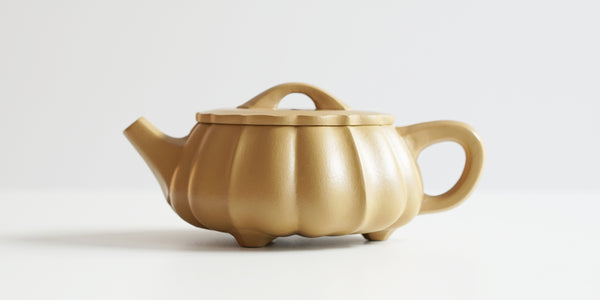
Reserve Yixing, Style 812
$680.00
$680.00
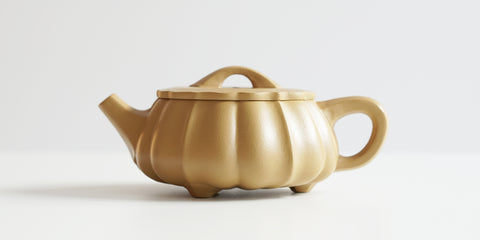
A stylized shipiao ("stone ladle") teapot with lotus motif, rendered in premium duanni (yellow clay).
Our Yixing teapots are half-handmade. A manual mold is used to assist the artisan in forming the body and lid of the vessel, while the spout, handle, and knob are formed freehand; the final teapot is assembled and... →
-
 Sold out
Master Yixing, Style 531
Sold out
$268.00
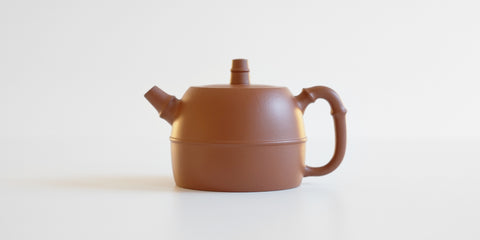
A broad-bodied pot with a wide lid that makes it easy to fill and clean. The sturdy form of this pot is accented by bamboo details on the body, lid, spout and handle. Perfect for a variety of teas, but we think this pot would work best for... →
-

Master Yixing, Style 550
$480.00
$480.00
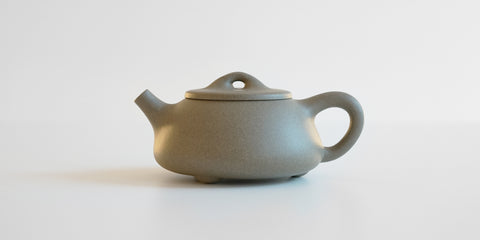
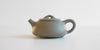
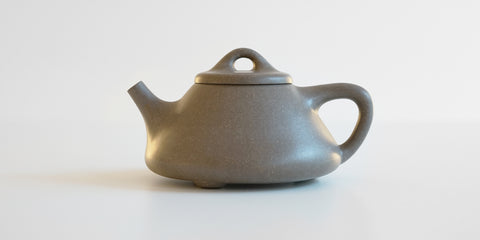
A classic shipiao ("stone ladle") teapot, rendered in elegant qinghuini (grey clay) for an understated and minimalist aesthetic. This teapot's versatile volume of just over 7.5 oz makes it perfect for solo sessions or small gatherings.
Our Yixing teapots are half-handmade. A manual mold is used to assist the... →
-

Master Yixing, Style 551
$480.00
$480.00
This angular shipiao teapot is crafted from qinghuini ("grey clay") and features a larger volume just under 10 ounces, making it ideal for group tea brewing.
Our Yixing teapots are half-handmade. A manual mold is used to assist the artisan in forming the body and lid of... →
-
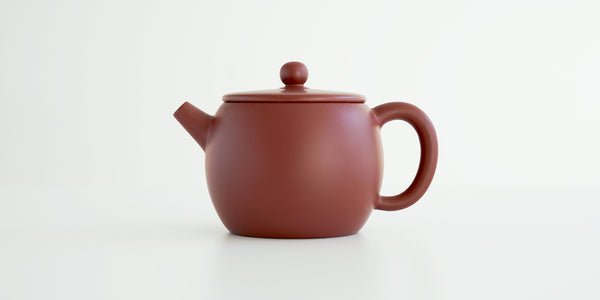
Master Yixing, Style 552
$480.00
$480.00
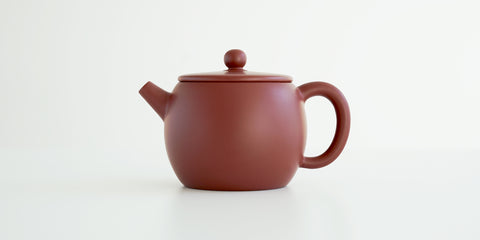
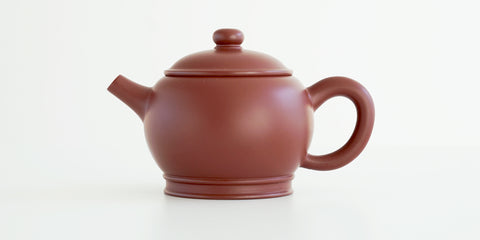
A spacious teapot, rendered in revered zhuni (vermillion clay).
Our Yixing teapots are half-handmade. A manual mold is used to assist the artisan in forming the body and lid of the vessel, while the spout, handle, and knob are formed freehand; the final teapot is assembled and finished entirely... →
-
 Sold out
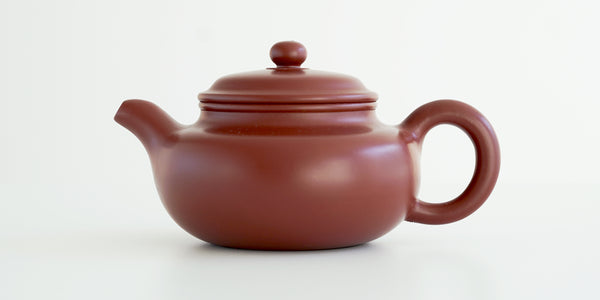
Master Yixing, Style 553
Sold out
$480.00
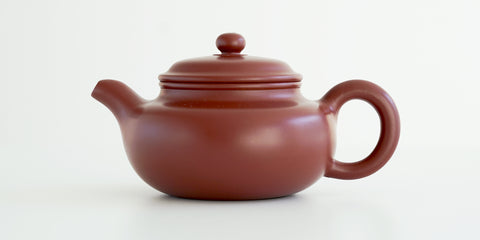
A classic fanggu ("ancient-style") teapot, rendered in revered zhuni (vermillion clay).
Our Yixing teapots are half-handmade. A manual mold is used to assist the artisan in forming the body and lid of the vessel, while the spout, handle, and knob are formed freehand; the final teapot is assembled... →
-
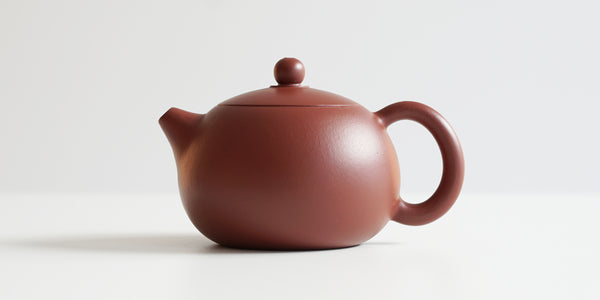
Master Yixing, Style 554
$480.00
$480.00
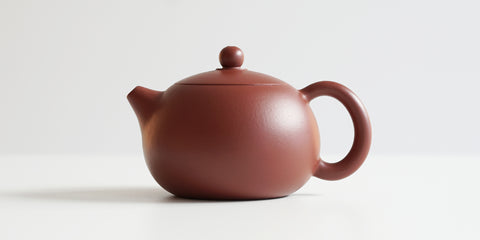
A classic xishi teapot, rendered in revered zhuni (vermillion clay).
Our Yixing teapots are half-handmade. A manual mold is used to assist the artisan in forming the body and lid of the vessel, while the spout, handle, and knob are formed freehand; the final teapot is assembled and finished... →
-
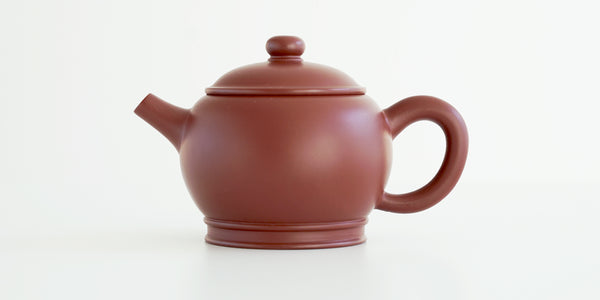
Artisan Yixing, Style 634
$280.00
$280.00
A uniquely designed teapot, rendered in revered zhuni (vermillion clay).
Our Yixing teapots are half-handmade. A manual mold is used to assist the artisan in forming the body and lid of the vessel, while the spout, handle, and knob are formed freehand; the final teapot is assembled and finished entirely... →


































































- Previous
- Page 1 of 2
- Next